_edited.jpg)
Music Classes in Singapore: A Parent’s Guide to Holistic Early Enrichment
Imagine three year old Sarah standing in a sunlit room, her eyes widening as she feels the vibrations of a drum for the first time. It isn't about perfect notes or rigid exams. It's about that tiny spark of discovery as she sways to a rhythm that mirrors her own heartbeat. Finding the right music classes in Singapore often feels like wandering through a high pressure maze of kiasu expectations. You want your little one's curiosity to shine, but you also want them to stay a child, protected from the stress of performance before they've even started preschool.
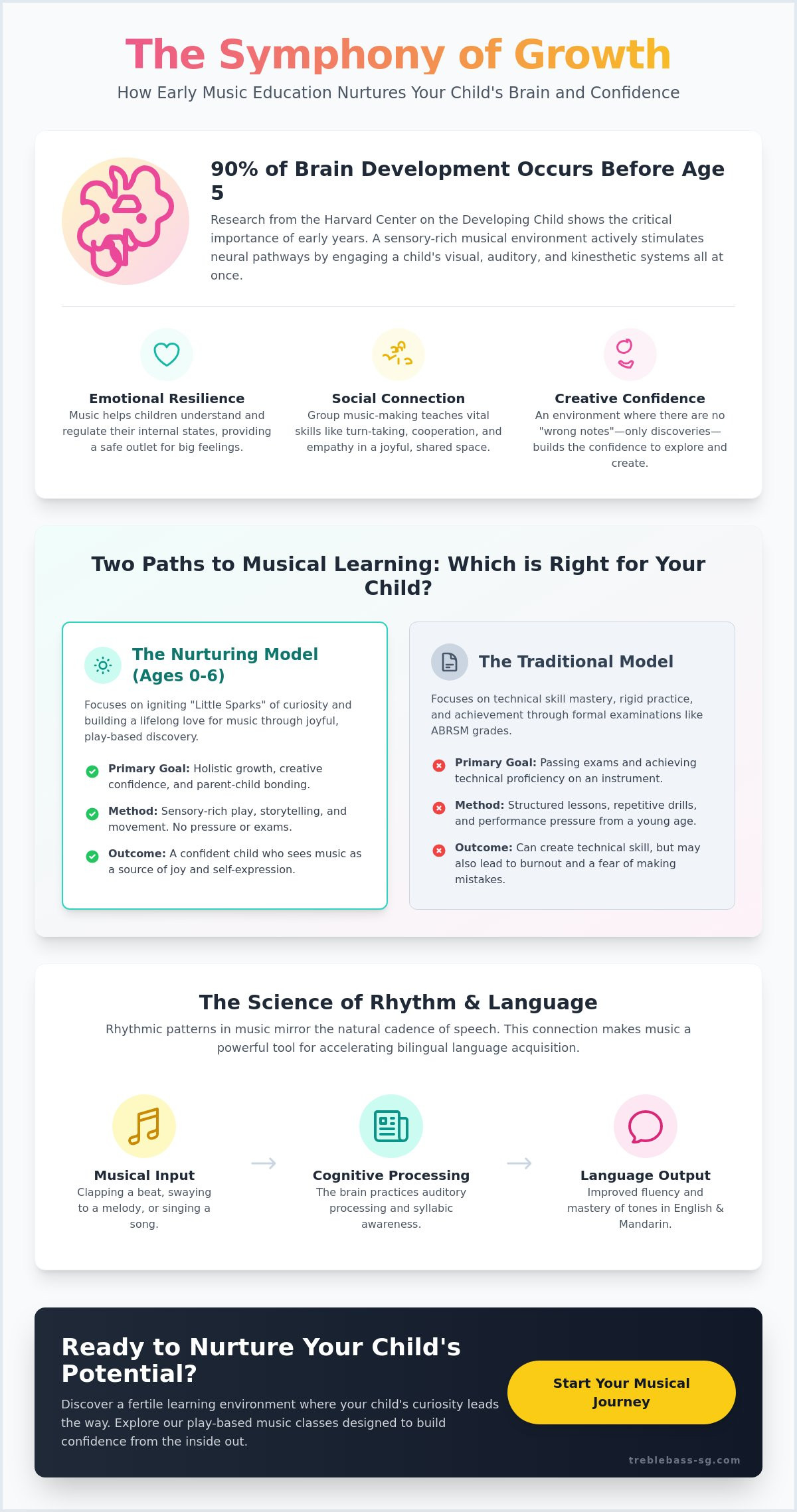
We believe that early childhood should be a time of wonder, not worry. This guide shows you how music-based enrichment nurtures your child's brain, language skills, and confidence through joyful, play-based learning. Since research from the Harvard Center on the Developing Child shows 90% of brain development occurs before age five, finding a nurturing, bilingual environment is about more than just a weekly activity. We'll explore how the right program fosters deep bonding and uses rhythm to accelerate Mandarin and English acquisition.
Key Takeaways
Understand how a sensory-rich environment creates "little sparks" in your child’s brain, fostering holistic growth that moves beyond traditional academic exams.
Explore the diverse landscape of Singaporean enrichment, from whimsical StoryPlay Adventures to kinesthetic themed dance, designed to ignite your child's natural curiosity.
Identify specific developmental milestones from 6 months to 6 years to ensure your child is nurtured at the perfect stage for their individual journey.
Learn how to evaluate a "fertile learning environment" and find music classes where teacher rapport and empathy are prioritized as much as artistic expertise.
Discover the transformative power of nurturing a child from the inside out, creating meaningful parent-child connections through the joy of shared musical discovery.
Table of Contents Why Music Classes in Singapore are Essential for Early Brain Development The Different Types of Music-Based Enrichment for Kids Choosing the Right Class for Your Child’s Age and Stage What to Look for in a Singapore Music School Starting Your Musical Journey with Treble Bass
Why Music Classes in Singapore are Essential for Early Brain Development
In our vibrant city, the journey of a child’s mind begins long before they step into a formal primary school classroom. Music-based enrichment provides a sensory-rich environment that does more than just entertain; it actively stimulates neural pathways by engaging the visual, auditory, and kinesthetic systems simultaneously. While Singaporean parents traditionally focused on formal examinations and rigid achievement, there’s a beautiful shift happening toward holistic development. Since the Ministry of Education removed mid-year examinations for all primary and secondary levels in 2023, families are increasingly moving toward purposeful play. They realize that music classes offer a fertile ground for growth that textbooks simply can't replicate. Research into the Benefits of music for children shows that early exposure helps build the architecture of the brain, creating a sturdy foundation for all future learning. This musical immersion helps toddlers in Singapore manage big feelings, providing them with a safe, melodic outlet to express frustration or joy as they navigate their growing world.
The Science of Rhythm and Language Acquisition
Rhythmic patterns in music closely mirror the natural cadence of speech, whether your child is hearing English or Mandarin at home. When a toddler claps to a steady beat or sways to a melody, they’re practicing the same syllabic awareness needed for early literacy. This is kinesthetic learning in its purest form, where moving the body to a sound helps cement memory retention and cognitive focus. Auditory processing is the brain’s ability to interpret and find meaning in the sounds it hears, a skill that's absolutely vital for preschool readiness and following instructions in a busy classroom. By identifying the "up and down" of a melody, children are actually training their ears to recognize the tonal shifts essential for language mastery.
Beyond the Piano: Holistic Growth vs. Technical Skill
There's a significant difference between the rigid Conservatory Model and a Nurturing Model designed for children under age 6. Instead of worrying about ABRSM grades at age 3, we focus on the "Little Sparks" of curiosity that ignite when a child first feels the vibration of a drum or the chime of a bell. This approach prioritizes the following:
Emotional Resilience: Using music to soothe or energize helps children regulate their internal states.
Social Connection: Group music-making teaches turn-taking and empathy in a shared space.
Creative Confidence: Encouraging "spark joy" moments where there are no wrong notes, only discoveries.
By prioritizing an environment of discovery over technical perfection, we help children develop the confidence to express themselves. This nurturing foundation ensures that when they eventually transition to formal instruments, they do so with a genuine love for the craft rather than a fear of the exam.
The Different Types of Music-Based Enrichment for Kids
Singapore offers a vibrant landscape of enrichment options for young families. From the cozy studios in Holland Village to the modern spaces in the CBD, parents can choose from a variety of paths to support their child's growth. Most music classes fall into four distinct categories: Storyplay, Speech & Drama, Themed Dance, and Traditional Instruments. While traditional lessons focus on technical mastery of a piano or violin, early childhood enrichment prioritizes the child's holistic journey. We believe in creating a fertile musical learning environment where your little one feels safe to explore.
A high-quality curriculum in Singapore often aligns with the Ministry of Education (MOE) Nurturing Early Learners (NEL) framework. This framework emphasizes six key areas, including Language and Literacy and Aesthetics and Creative Expression. Many local parents seek out "Bilingual Integration" to give their children a head start. By weaving English and Mandarin into musical activities, teachers help children bridge the gap between two languages through rhythm and song. It's a natural way to build fluency without the pressure of a formal classroom setting.
Storyplay: Where Music Meets Imagination
Storyplay is a beautiful blend of musical cues and narrative-driven play. It's much more than a standard sing-along session where children simply mimic a teacher's movements. In a Storyplay environment, every drum beat or flute melody helps move a story forward. This immersive approach is proven to accelerate cognitive development by linking auditory patterns to specific narrative meanings. When children participate in these adventures, they build a rich vocabulary in both English and Mandarin. They don't just hear the word "sway"; they feel the music sway with them. This sensory-rich experience helps "spark joy" while anchoring new concepts in their developing minds.
Speech & Drama: Using Voice as an Instrument
Speech and drama classes transition a child's focus from external rhythm to the rhythm of their own voice. We view the voice as the very first instrument a child masters. Through dramatic play, children learn the nuances of vocal expression and the foundations of public speaking. This builds the essential confidence needed to speak up in a primary school setting. Our 'Bloomers' and 'Adventurers' programs use imaginative exploration to help children navigate big emotions. They learn to project their voices and share their ideas with a sense of joyful purpose. If you're looking for a way to nurture your child's inner spark, you might explore our unique programs designed to foster these meaningful connections.
Choosing the Right Class for Your Child’s Age and Stage
Parents often ask us when the perfect time is to begin their child's musical journey. The truth is that a child's brain is ready to absorb rhythm and melody from the very beginning. Our music classes serve as a fertile environment where your little one's curiosity can truly shine. Between 6 months and 6 years old, children hit vital developmental milestones that we mirror in our curriculum. A USC study confirmed that music instruction accelerates brain development in areas responsible for processing sound and language, making early exposure a gift that lasts a lifetime.
Every child brings a unique personality to the classroom. We see active explorers who love to jump and shy observers who prefer to sway gently. For the high energy child, a class focused on kinesthetic movement helps channel their spirit into rhythmic patterns. For the quieter child, the safe and inviting atmosphere of our studio allows them to find their voice at their own pace. We don't believe in rigid instruction; instead, we focus on nurturing each child from the inside out, ensuring they feel secure enough to let their little sparks fly.
Infants and Toddlers (0-3 Years): Sensory and Bonding
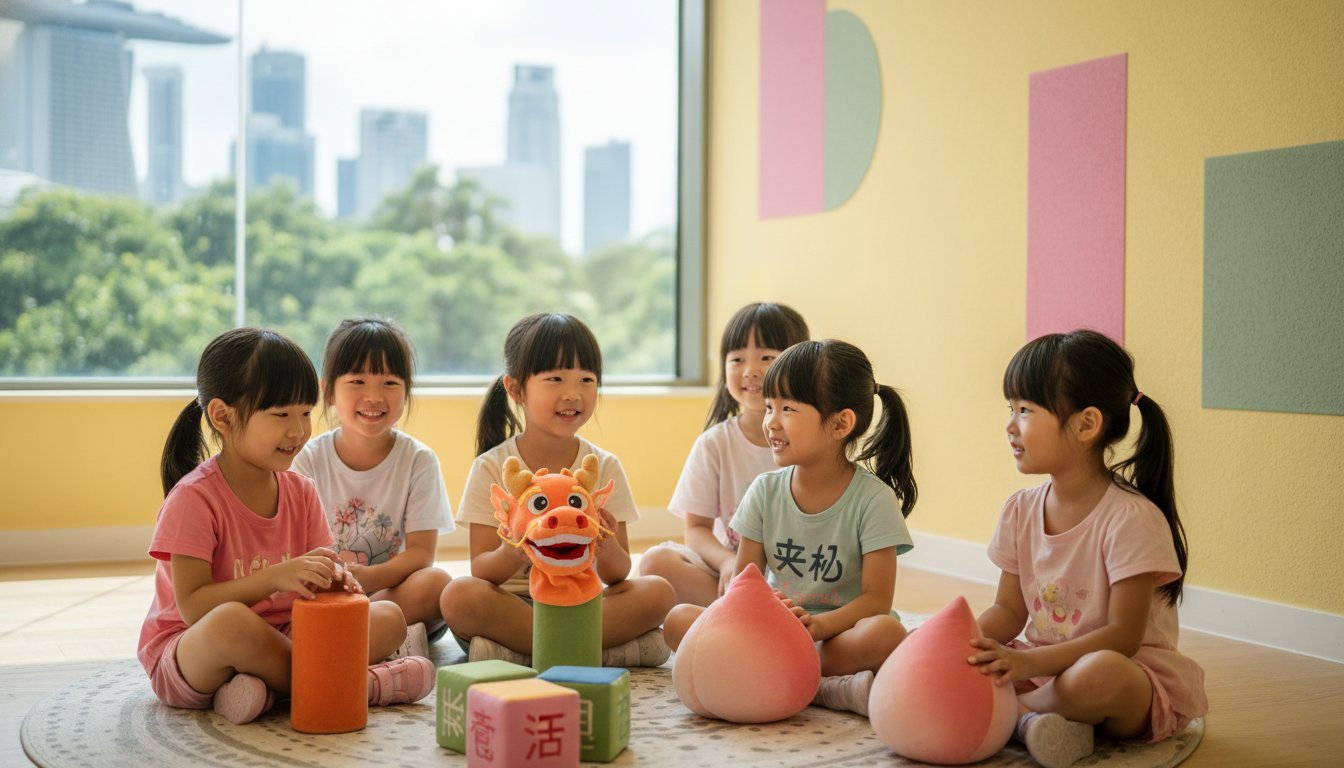
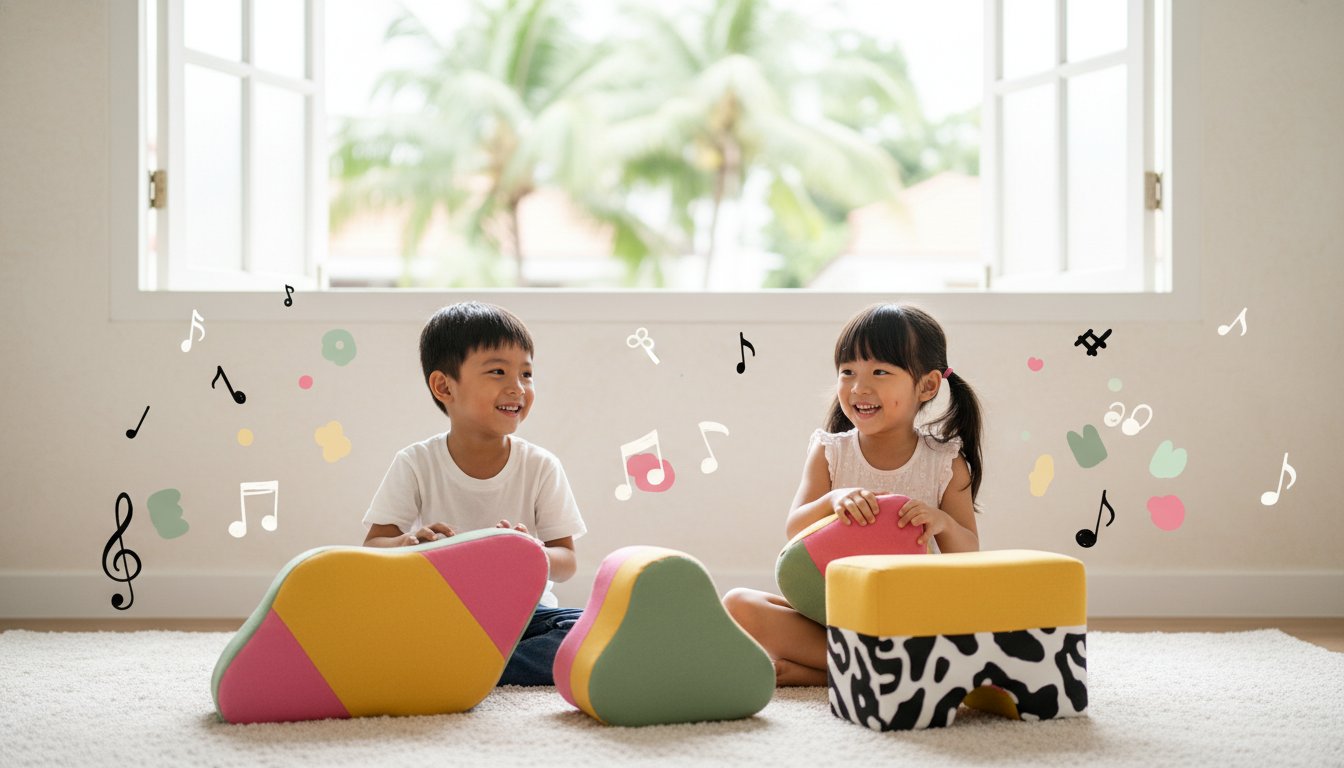
In our Baby C (喜宝宝) sessions, we focus on the beautiful connection between parent and child. These classes are designed to wrap your little one in the melodic sounds of Mandarin, helping with early language acquisition through play. We use colorful sensory props like silk scarves, drums, and bubbles to create a whimsical world of discovery. In Singapore, where busy schedules are common, these parent-accompanied sessions are vital. They provide a dedicated space for early attachment, allowing you to witness the magic of your child's first response to a beat while strengthening your emotional bond through shared laughter and song.
Preschoolers (3-6 Years): Independence and Creativity
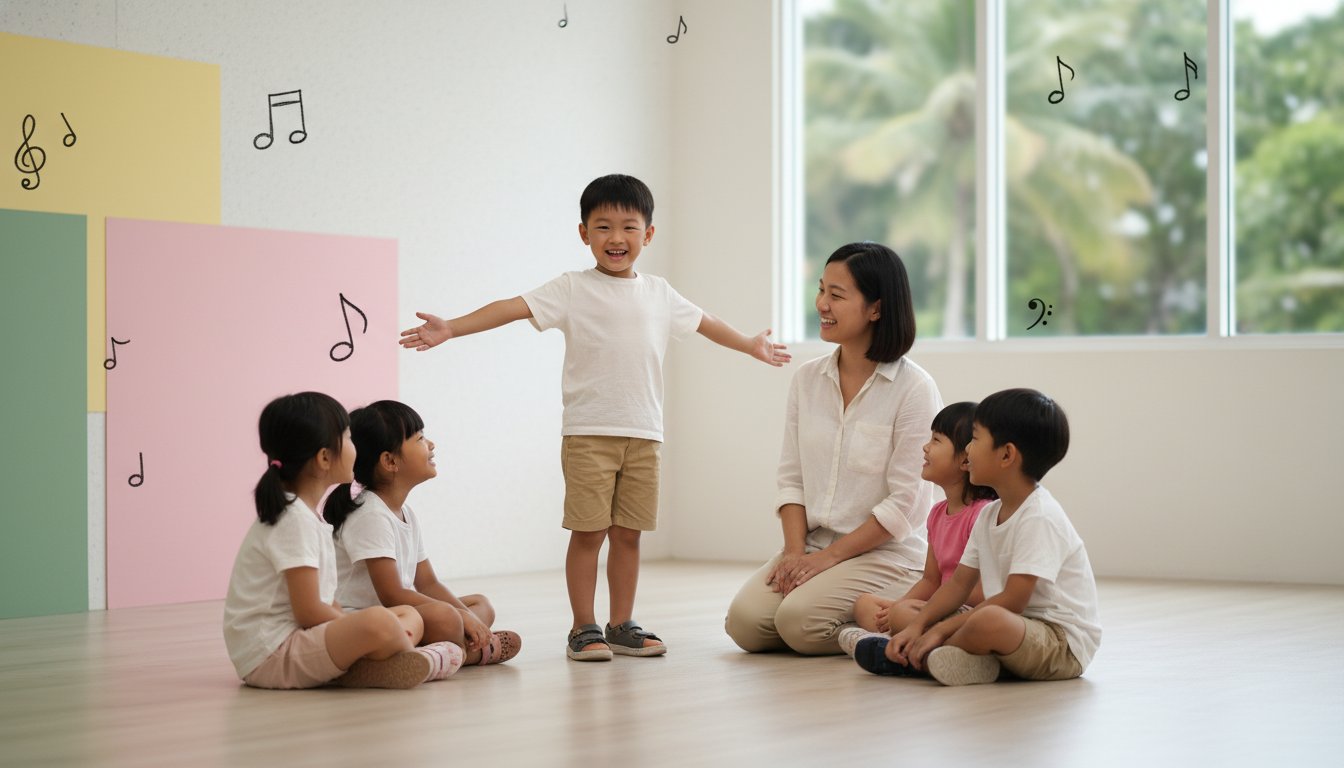
As children grow, they transition into our Starsteps themed adventures. This stage is all about moving toward independence and sparking creative movement. These music classes use storytelling to develop gross motor skills and spatial awareness as children learn to move their bodies in harmony with others. It's a joyful way to prepare for the transition to primary school. By participating in collaborative group play, children build the confidence and empathy needed for a classroom setting. They learn to listen, take turns, and contribute to a collective melody, turning every lesson into a celebration of their growing capabilities.
What to Look for in a Singapore Music School
Choosing the right space for your child's first musical steps requires looking past the glossy brochures. A sterile, white-walled room might work for an exam, but it won't ignite a toddler's imagination. You should seek a fertile learning environment where every corner invites curiosity and play. The teacher's artistic credentials matter, but they aren't the only factor. A teacher's empathy and ability to build rapport are what truly turn a lesson into an experience. They should be a passionate mentor who understands that every child develops at their own pace.
Transparency is also vital for parents. A high-quality 45-minute session should have a clear rhythm that balances energy and focus. This usually includes a welcoming ritual, active kinesthetic learning through movement, and a quiet moment for absorbing auditory patterns. Finding a community-oriented school in areas like Holland Village makes the weekly routine a joy rather than a chore. Searching for music classes near me is about more than convenience; it's about finding a village that supports your child's holistic development and celebrates their unique journey.
Evaluating the Nurturing Environment
A safe and joyful space is the foundation of all early childhood education. When you visit a studio, use a mental checklist to assess the "vibe." Look for child-proofed corners, clean instruments, and warm lighting that feels like a home away from home. Safety and cleanliness are non-negotiable for young learners. When children feel secure, their brains are primed for better learning outcomes. This sense of security allows them to take risks, such as trying a new rhythm or singing a solo. For a detailed guide on what to observe during your first visit, check out our Trial Class Checklist for Singapore Parents.
Bilingual Excellence: The Treble Bass Difference
High-quality Chinese storyplay programs are rare in Singapore. They require more than just a translated curriculum; they need native-level speakers who act as passionate educators. At Treble Bass, we believe music is a transformative tool for language acquisition. Our music classes integrate storytelling and melody to create meaningful connections with the Mandarin language. We focus on nurturing from the inside out, ensuring every child feels a sense of joyful purpose. This approach sparks little sparks of curiosity that lead to lifelong confidence. We prioritize these deep connections over rigid instruction, making every StoryPlay Adventure a guided tour through a safe and joyful space.
Ready to see your child's potential shine?
and experience our nurturing environment firsthand.
Starting Your Musical Journey with Treble Bass
At Treble Bass, we believe that music is much more than a series of notes on a page; it's a heartbeat that nurtures a child from the inside out. Our mission centers on creating a fertile musical learning environment where your little one feels safe to explore, sway, and discover. Located in the vibrant heart of Holland Village, our studio serves as a sanctuary of creativity. Here, the warm, motherly wisdom of our team blends with professional expertise to ensure every child feels seen, heard, and celebrated during their developmental milestones.
The Treble Bass Story
Our foundation rests on decades of artistic passion and pedagogical experience. The founders envisioned a space where holistic well-being takes precedence over rigid, traditional instruction. We focus on the child's emotional and social growth, knowing that musical proficiency follows naturally when a child feels confident and secure. The 'Little Sparks' philosophy guides every lesson by focusing on the tiny, magical moments of discovery that ignite a lifelong love for learning and self-expression. By integrating kinesthetic learning with auditory patterns, we help children build essential brain connections while they simply enjoy the rhythm of the day.
How to Join Our Community
Embarking on this adventure is a simple, welcoming process. Parents can book a trial session for our signature music classes, including Playtots for our youngest explorers, Bubbles for curious toddlers, or Starsteps for older children ready to take their next musical leap. These sessions offer a firsthand look at how we spark joy through our unique StoryPlay Adventures. After your trial, registration for our term-based music classes is a seamless experience handled by our supportive team. We also host vibrant holiday camps and special themed sessions throughout the year, providing even more opportunities for your child to dive into the magic of rhythm and melody.
During your first session at Treble Bass, you'll find an atmosphere filled with laughter and genuine curiosity. You'll see our educators guiding children through sensory-rich activities that encourage language acquisition and motor skill development. We don't just teach music; we facilitate meaningful connections between you and your child. It's a guided tour through a world of sound where every drum tap and song contributes to their blossoming confidence. You can expect to leave the studio with a sense of wonder and a deeper bond with your little one.
Ignite Your Child’s Potential Through the Power of Song
Choosing the right music classes is a beautiful investment in your child's holistic growth. Since 2015, Treble Bass has helped thousands of little ones find their rhythm through over a decade of early childhood expertise. We understand that every tap of a drum or swaying movement helps bridge the gap between language acquisition and kinesthetic learning. Our classrooms at Holland Village serve as a fertile environment where your child can explore our specialized bilingual curriculum in both Mandarin and English. This unique approach ensures that your child’s curiosity is nurtured from the inside out while they build meaningful connections with you. We've spent the last 10 years perfecting a space where pedagogical science meets the magic of a child's first melody.
Ready to see your child's confidence shine? Book a Discovery Trial at Treble Bass Holland Village today. We can't wait to welcome your family into our vibrant community and start this joyful journey together.
Frequently Asked Questions
What is the best age to start music classes for my child in Singapore?
You can begin music classes for your child as early as 6 months old to take advantage of the brain's peak neuroplasticity. Research indicates that 85% of brain development occurs before age 5, making these early years a fertile time for auditory pattern recognition. Our classes create a safe space where infants and toddlers can sway to rhythms, which builds the foundational neural pathways needed for future learning.
Do you offer individual piano or violin lessons at Treble Bass?
We don't offer traditional individual piano or violin lessons because our mission focuses on a holistic, group-based foundation. Instead of rigid instruction, we use our StoryPlay Adventures to build the coordination and ear training necessary for any instrument. This approach ensures that when your child reaches age 6, they'll have the rhythmic confidence to excel in formal private lessons later on.
How do music classes help with my child's Mandarin language skills?
Music classes accelerate Mandarin language acquisition by training the ear to recognize different pitches and tones. Since Mandarin is a tonal language, children who engage in musical play are 20% more likely to distinguish subtle phonetic differences according to educational research. We weave melodic patterns into our stories to help these linguistic seeds take root and grow naturally through joyful repetition.
My child is very shy; will a speech and drama class be too overwhelming?
A speech and drama class at Treble Bass isn't overwhelming because we follow your child's unique rhythm and emotional needs. We use gentle tools like hand puppets and soft percussion to help shy children find their voice without any pressure to perform. About 30% of our new students start as quiet observers, but they usually begin participating actively within 3 sessions as their confidence sparks.
What is the difference between Storyplay and a standard music class?
The main difference is that Storyplay uses narrative immersion to teach musical concepts rather than repetitive drills or static sitting. While standard music classes might focus only on rhythm, we blend kinesthetic learning with theatrical storytelling to engage every sense. It's a nurturing environment where a drum beat becomes a giant's footstep, making the educational experience feel like a magical adventure from the inside out.
Are your classes in Holland Village suitable for international school students?
Our Holland Village studio is perfectly suited for international school students because our curriculum complements the inquiry-based learning found in the IB Primary Years Programme. We currently welcome families from over 15 different countries, creating a vibrant and multicultural atmosphere. This global perspective helps children build social empathy while they explore musical traditions and stories from around the world.
Do I need to stay with my child during the music classes?
You'll stay with your child for our younger age groups to facilitate meaningful connections and shared discovery. For our toddlers, having a parent nearby provides the emotional security they need to explore new sounds and movements freely. This partnership ensures that the joy of the classroom continues at home, turning everyday moments into beautiful opportunities for family bonding.
Can music classes help my child prepare for Singapore primary school interviews?
Our music classes help your child prepare for Singapore primary school interviews by nurturing self-assured communication and creative thinking. Interviewers look for children who can express ideas clearly and engage with others confidently during the P1 registration process. By practicing these social skills in our supportive environment, your child develops the poise and curiosity that school heads value in young learners.
Comments